
The XK300 Essence can be prescribed for a heart-failure patient today, under its existing clearance for heart rate and breathing rate. Nothing worn, nothing charged, nothing to remember. Six thousand readings a night, every night, for months or years, read by your team. Alongside the cleared vitals, Heartbeat Clarity is shown as information: an investigational measure now in a study with four cardiology programmes.
Each admission leaves the heart weaker and the next interval shorter, and most patients go home with no continuous monitoring at all.
Readmission and survival figures as reported internationally; local rates vary, the shape does not. Monitoring share is an XK estimate from implant volumes.
Everything a discharged heart-failure patient is handed today asks something of them: a routine, a charger, a patch change, or a procedure. The record stops when the routine does.
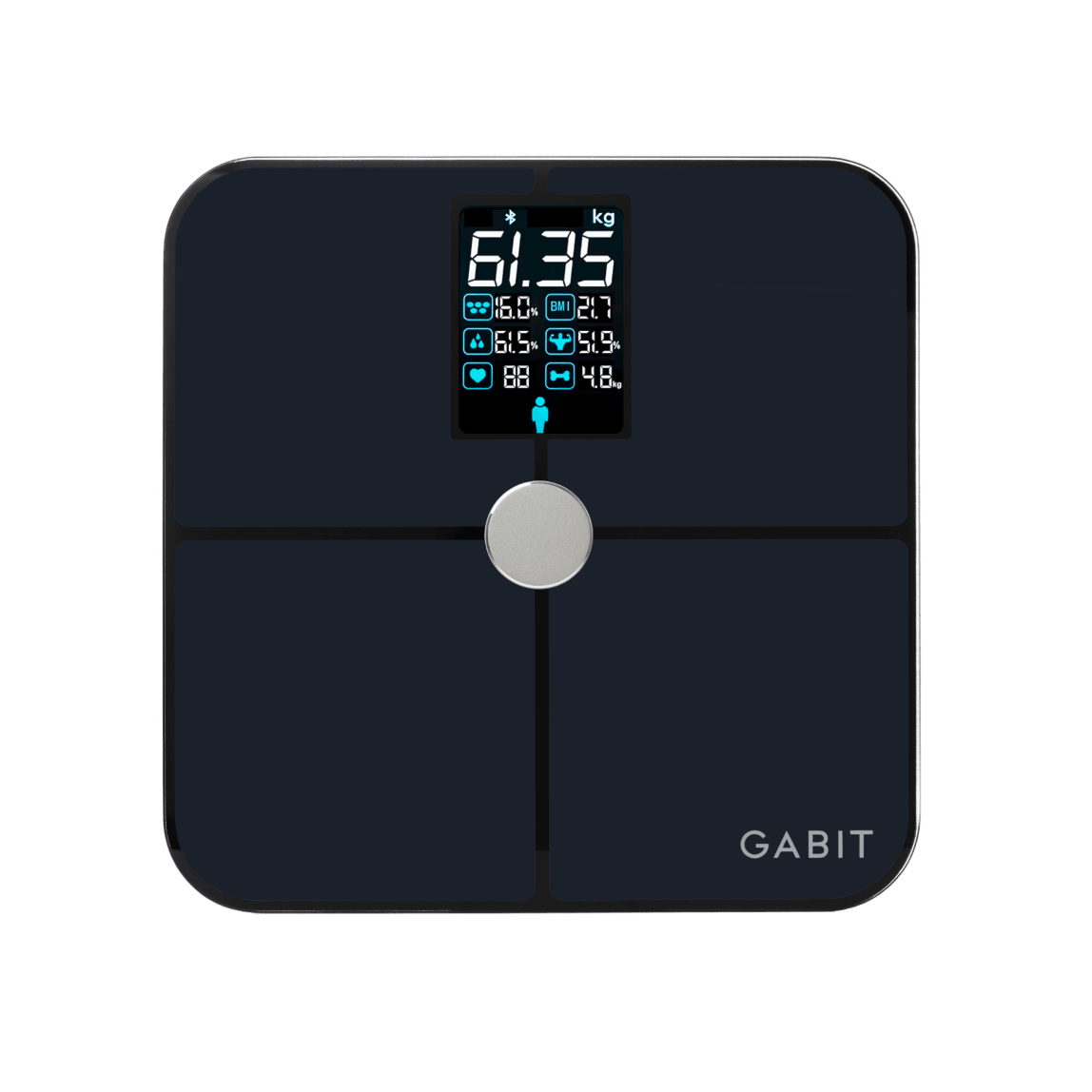
Same time every morning, if it happens. Easy to skip, and weight moves only after fluid has already built up.
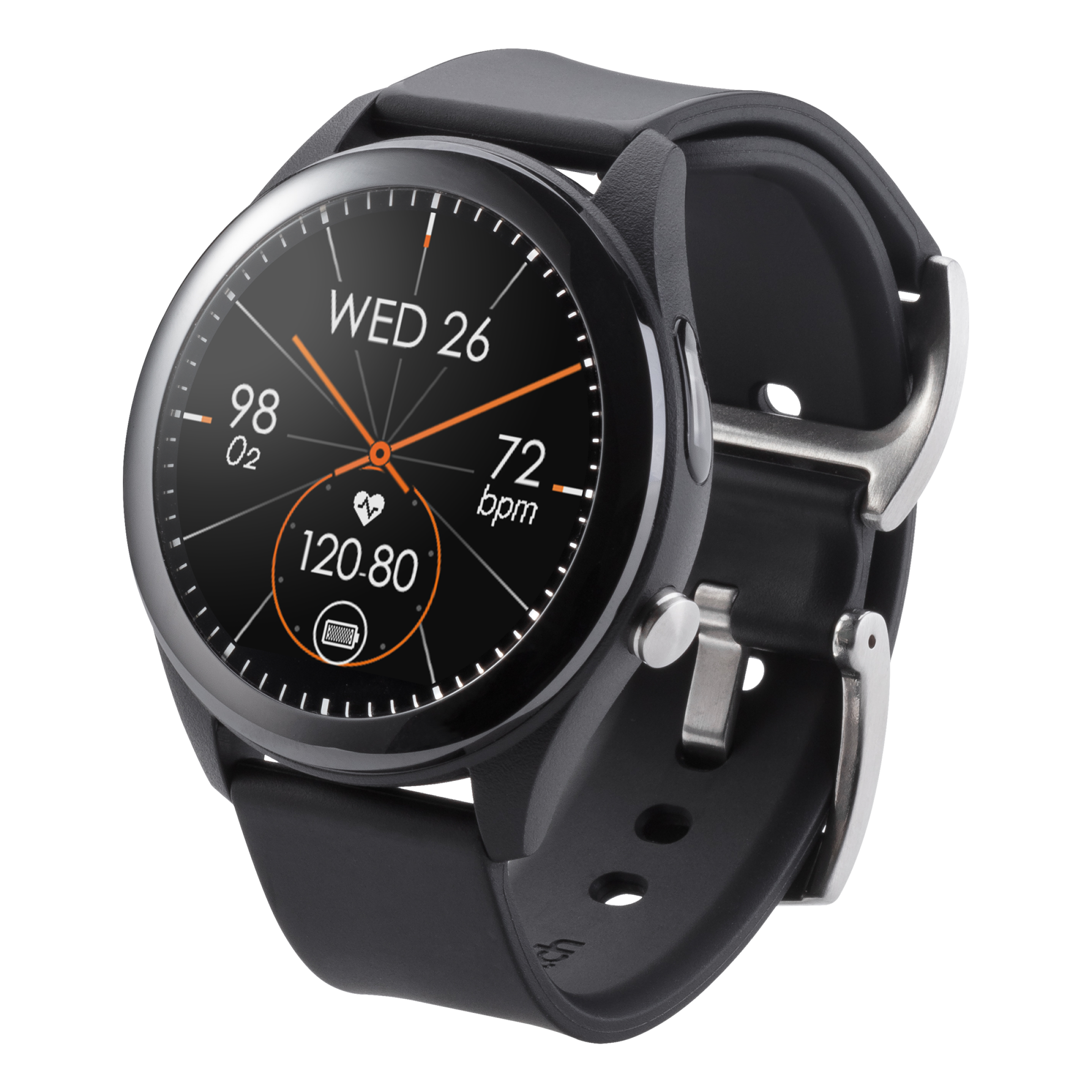
Prescribed by some cardiology programmes today. A watch needs charging; patients come back after thirty days with a few days of data and a dead watch.
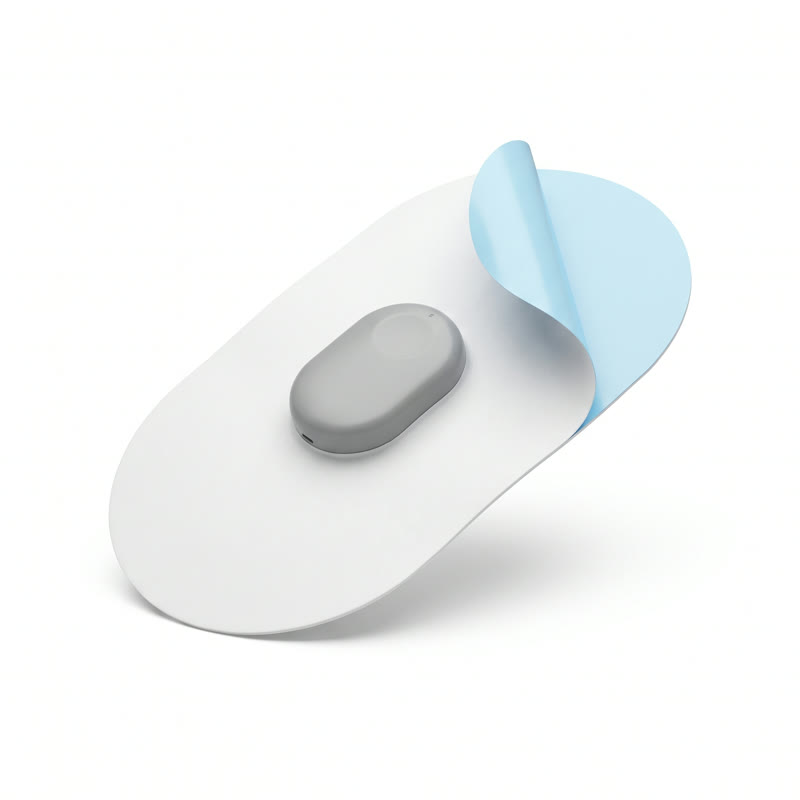
The common choice in US hospitals after discharge. Wearable ECG and vitals for roughly five days per patch, then it is replaced or the record ends. Skin, adhesive, a return kit, and someone to apply the next one.
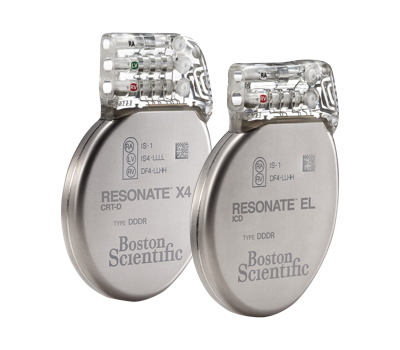
A procedure, and a cost that reserves it for the most severe. Out of reach for nine in ten.
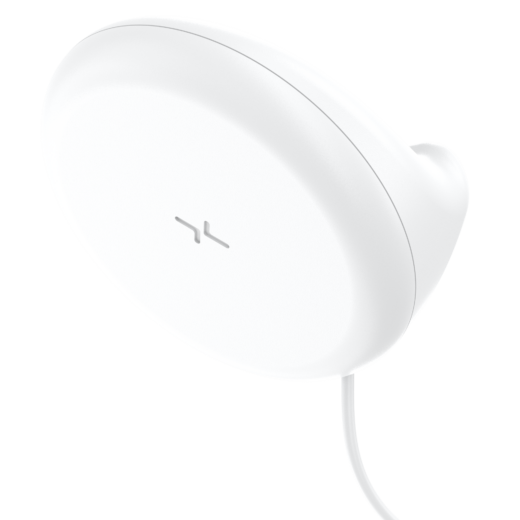
On the wall or under the mattress, prescribed before discharge. Nothing to wear, charge or apply. Heart rate, breathing rate and breathing pattern every few seconds, all night, for months or years, and your team watches the record.
| Scale and cuff | Smartwatch | Adhesive patch | Implant | XK300 Essence | |
|---|---|---|---|---|---|
| What it asks of the patient | A morning routine, every day. | Wearing it, and charging it. | Skin and adhesive; a new patch when the old one is done. | A procedure. | Nothing. It reads through bedding, from the wall or under the mattress. |
| How long the record lasts | As long as the routine. | A few days per charge. | About five days per patch. | Years. | Months to years, every night. |
| What it reads | Weight; blood pressure. | Pulse; activity. | ECG, heart rate, breathing, activity while worn. | Pulmonary-artery pressure. | Resting heart rate, breathing rate and breathing pattern; bed presence and movement. Heartbeat Clarity, shown as information. |
| When it reads | Once a day. | While worn and charged. | Continuously, until the patch is done. | On demand, daily. | Every few seconds, whenever the patient is at rest in bed. |
| Who watches | The patient, then a nurse call. | The patient's phone. | A monitoring service, for the life of the patch. | The cardiology team. | Your team, in the dashboard or through the API, for as long as it is deployed. |
| Cleared for | Weight; blood pressure. | Varies by device. | ECG and vitals while worn. | Pulmonary-artery pressure in selected heart-failure patients. | Heart rate and breathing rate in adults (510(k) K202464). Not a heart-failure test. |
Categories described as commonly deployed; no product is named. The XK300 family is cleared to measure heart rate and breathing rate in adults. It does not diagnose heart failure and is not an alarm system.
Radar reads the heartbeat as chest-wall motion, so it can score how strongly the heart moves and how regularly it beats. Heartbeat Clarity is the share of confirmed-rest moments in which each beat resolves cleanly. It falls when the pump weakens or the rhythm breaks: the two things heart failure does.
Live, illustrative. Left: intensity, how much the chest wall moves with each beat. Right: rhythm, how evenly the beats arrive. Heart failure weakens the motion; atrial fibrillation scrambles the rhythm. Either one pulls Heartbeat Clarity down.
A weakening left ventricle moves the chest wall less. The radar senses the beat shrink.
A healthy heart is metronomic. Atrial fibrillation is random, beat to beat. The measure rewards consistency, not speed.
No electrode, no wearable, no test ordered. The signature appears in passive, continuous monitoring, while the patient simply rests in bed.
Every rest reading resolves a beat. Healthy example value, illustrative.
Every one of the 28 residents with confirmed heart failure in our care-setting record sat at about 0.1, with the sensor correctly installed. Not most. All of them.
Heartbeat Clarity = resolved heartbeat samples ÷ resolved respiration samples, over a full day.
A detection yield, not a heart rate. A count of successful readings, not beats per minute.
Denominator holds. Detected breathing means the body was still, so respiration keeps logging.
Numerator drops. Heart failure and arrhythmia break the periodicity the beat detector relies on; beats go unresolved and the ratio falls.
Honestly stated: only 28 confirmed events. Heart failure is diagnosed in hospital and rarely reaches the nursing-home record; the cardiology study closes exactly that gap. Heartbeat Clarity is shown as information alongside the cleared vitals. It is not a cleared heart-failure test, and XK does not predict or diagnose health events.
A look back at records from care settings where the clinical XK300 was in use, part of an ongoing discovery and research programme. "Days before" is the interval between a shift in a person's own readings and the date the event was recorded, averaged across events and measured after the fact. It is not a claim that any Kardian product detects, predicts or diagnoses heart failure, and no such use is cleared.
Replay it against the other conditions in the care-setting record, or read the full table on the science page.
The heart-failure-specific submission will change what we may say about the device. It does not change what you can deploy. The XK300 Essence is a prescription device for heart rate and breathing rate, and a heart-failure patient is an adult who needs exactly those read, every night, without being asked to do anything.
Measuring heart rate and breathing rate in adults, including in home healthcare. Prescription only.
Breathing-rate variability as a trend, and Heartbeat Clarity as an investigational measure. Neither is a diagnosis; your clinical judgement stays with you.
Remote patient monitoring: CPT 99453 and 99454 for set-up and the monthly device supply, 99457 and 99458 for management time. For information; your billing team confirms eligibility.
We do not run pilots. A demo on your ward or with your discharge programme, then a deployment scaled to the patients you send home.
Cardiology programmes in Taiwan, the United States and Hong Kong are running the Heartbeat Clarity study: EMR-matched heart-failure outcomes, echocardiogram correlation, and cardiology co-authorship. The sites are set and we are not adding hospitals to the study. What a hospital can do now is deploy.
Ethics approval, devices installed, EMR feed live at each site.
One hundred, then two hundred patients: inpatient, then ninety days at home.
Database lock, joint paper, and the heart-failure-specific 510(k) submission.
The submission unlocks the marketing claim, not the deployment. The device you can prescribe today is the same device.
Heartbeat Clarity is investigational and not a cleared measurement. The XK300 family is cleared to measure heart rate and breathing rate in adults; it does not diagnose heart failure, is not an alarm system for acute life-threatening events, and does not replace clinical monitoring where that is indicated. Early-notice figures are retrospective findings, part of ongoing discovery and research, not claims. XK does not predict or diagnose health events.