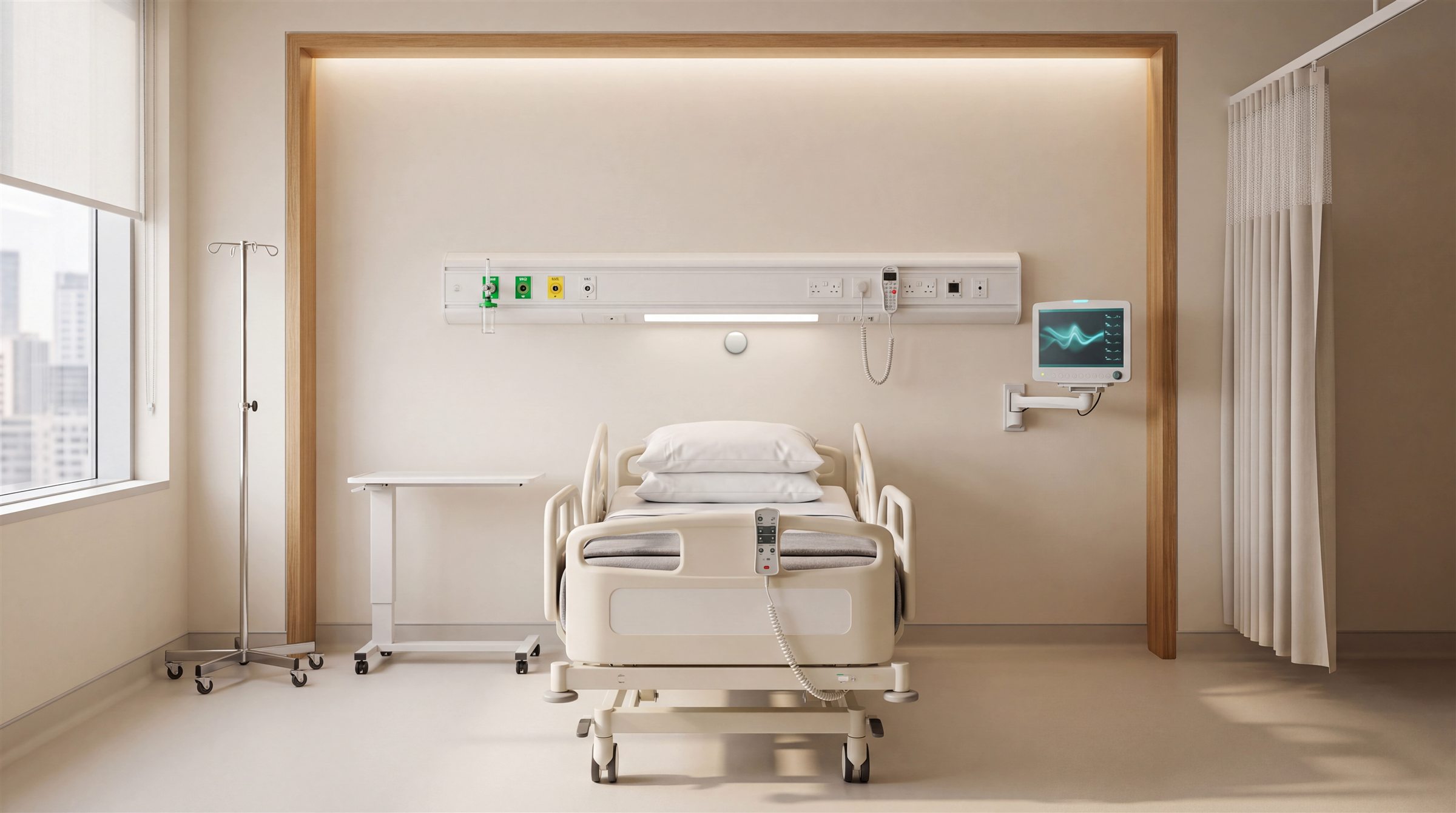
The XK300 Essence on the wall above the bed, or beneath the mattress. Heart rate and breathing rate every few seconds, day and night, with nothing on the patient. For your heart-failure patients, the same device prescribed before they go home.
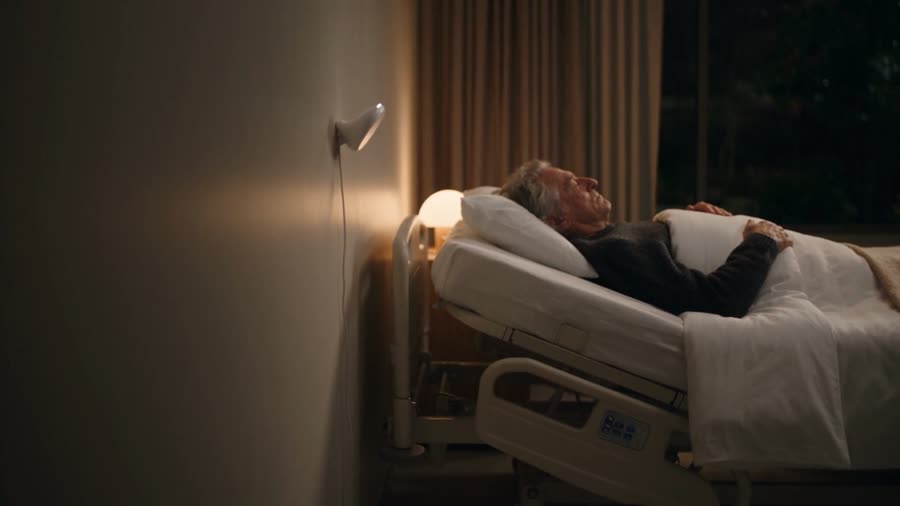
The XK300 Essence goes on the wall above the head of the bed, or beneath a foam mattress where the wall does not work. It measures resting heart rate, breathing rate and the breathing waveform every few seconds, day and night. Nothing on the patient; nothing for nursing to charge, apply or remember.
Breathing rate is one of the three bedside criteria clinicians use when they screen for sepsis, and it is the vital sign least reliably counted on a busy ward. The XK300 measures it every few seconds, all night, so a rise is in front of the team between checks, not at the next one.
Before many in-hospital arrests, heart rate and breathing drift for hours while the patient is between checks. Continuous readings put that drift in front of the team, at a sensitivity the hospital sets, instead of in the chart afterwards.
Staffing is thinnest at night. Every bed is measured every few seconds, so the team is informed between rounds rather than at the next one.
The team is informed when a bed that should be occupied is empty, and for how long.
Movement that is large and keeps going, agitation or distress, informs the team, with the duration.
The XK300 is FDA-cleared to measure heart rate and respiration rate in adults. It is not an alarm system for acute life-threatening events, does not diagnose any condition, including sepsis, and does not replace clinical monitoring where that is indicated. Notifications inform the care team; decisions remain theirs.
Radar reads movement. On a ward, three things move besides the patient: the overhead grab bar when it is lowered and swings, a family member talking at the bedside for hours, and machines such as a ventilator. A sensor on the wall picks up all of them.
The front unit of the XK300 Essence lies flat on the head end of the bed deck, under the foam mattress and the patient’s chest, with its scanning region limited to 60 centimetres. Heart rate and breathing rate come through; the grab bar, the visitor and the ventilator are outside the region it reads.
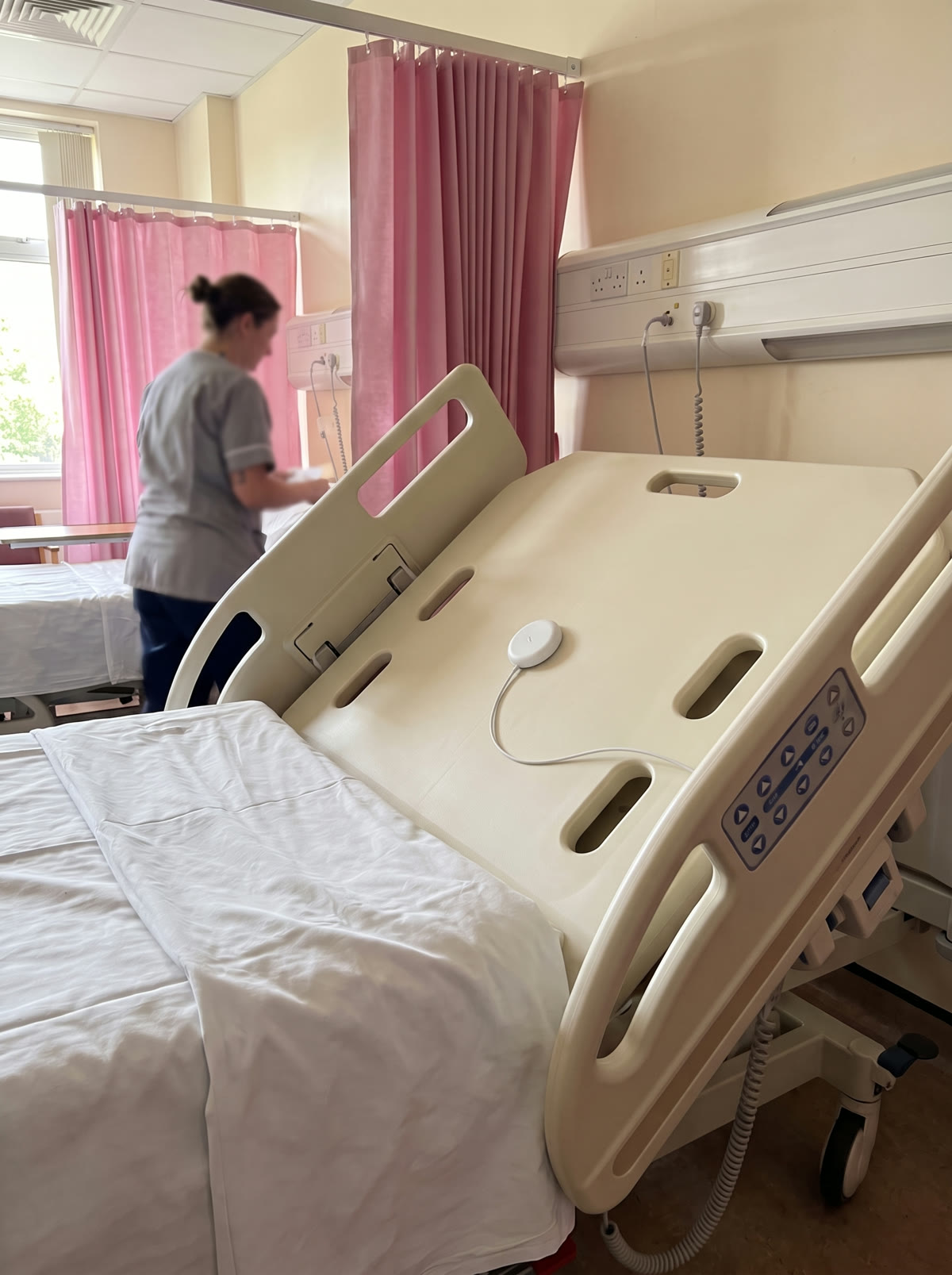
Raise, lower or articulate the bed: the unit stays put on the deck and keeps reading.
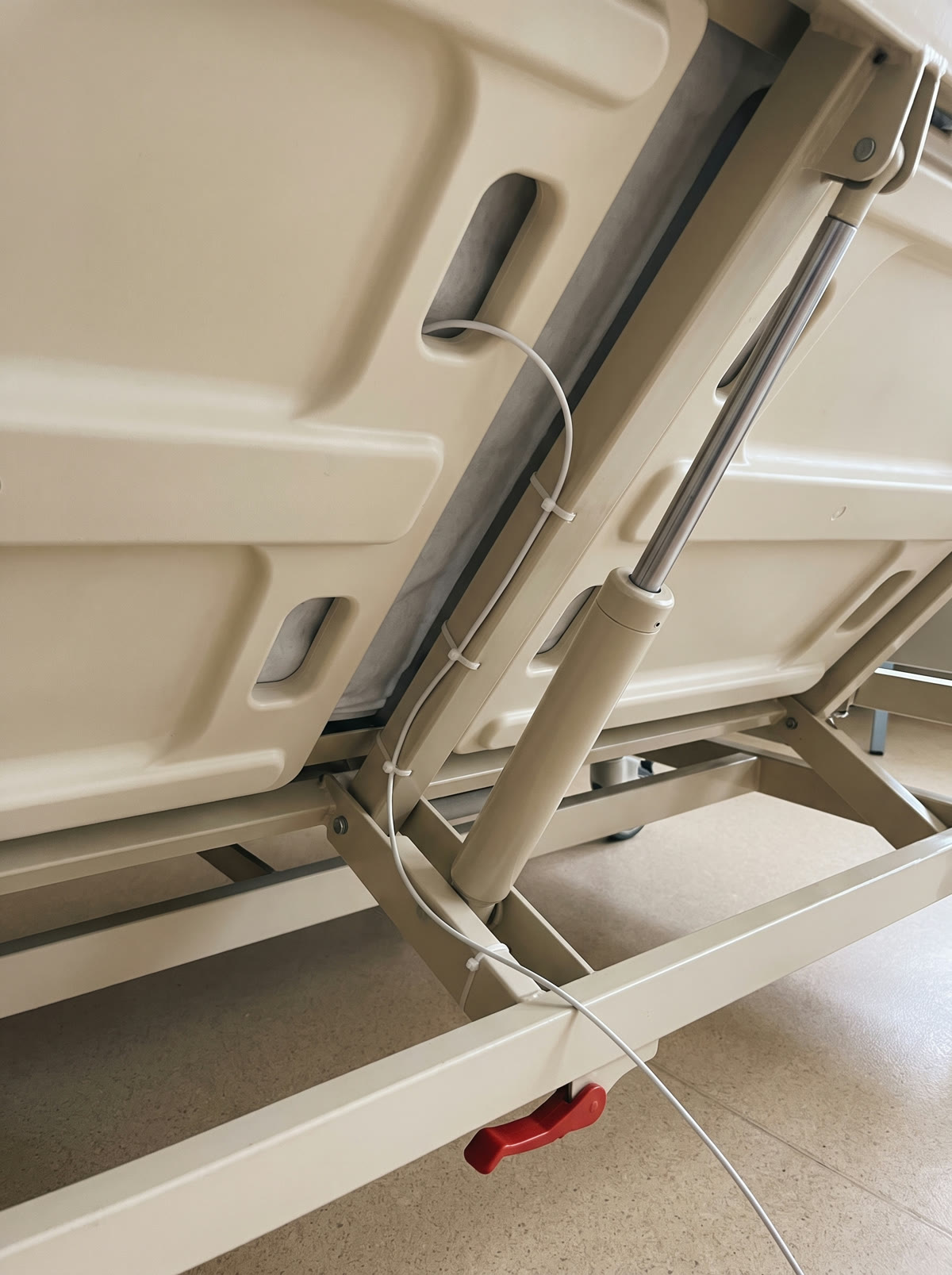
One thin cable, tied along the frame under the deck to the wall socket. Nothing in reach, nothing to snag.
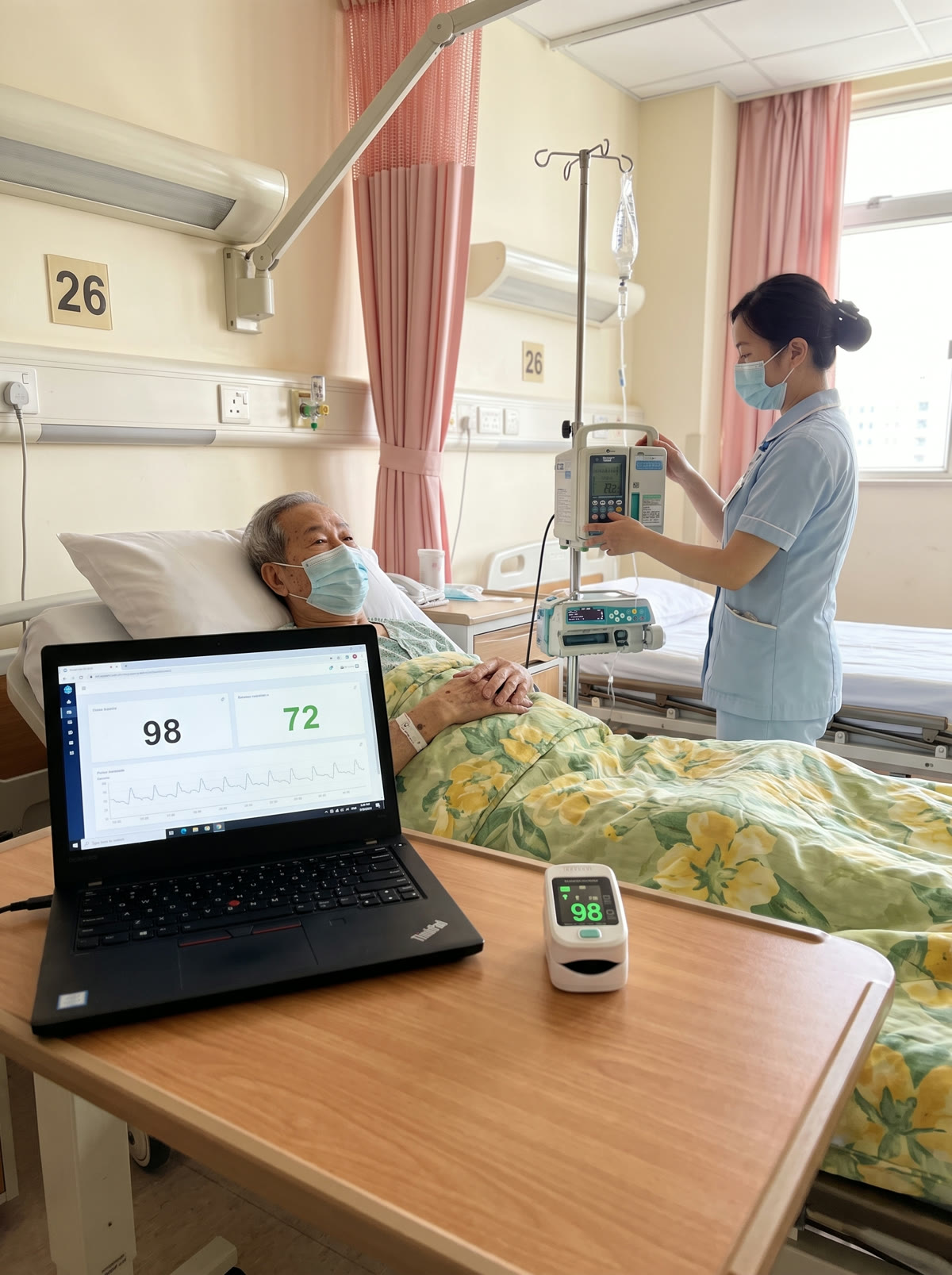
Commissioning: readings checked at the bedside against the ward’s own monitor before the bed goes live.
The hospital owns its beds, and no rule requires the bed maker’s permission to lay a sensor on the deck. But in the United States and Canada, bed makers’ manuals ask hospitals to use only their own parts and accessories, and their warranties can exclude damage caused by another maker’s accessory or by any alteration. So clinical engineering teams ask. Here is what to tell them, and what to do.
The XK300 Essence lies on the deck under the mattress. Nothing is drilled, bolted or stuck to the bed, and nothing connects to the bed’s electrics. It does not alter the bed.
Their wording limits the bed maker’s warranty and liability. It does not stop the hospital from using the bed as it chooses. The steps below keep the bed working exactly as its maker intended.
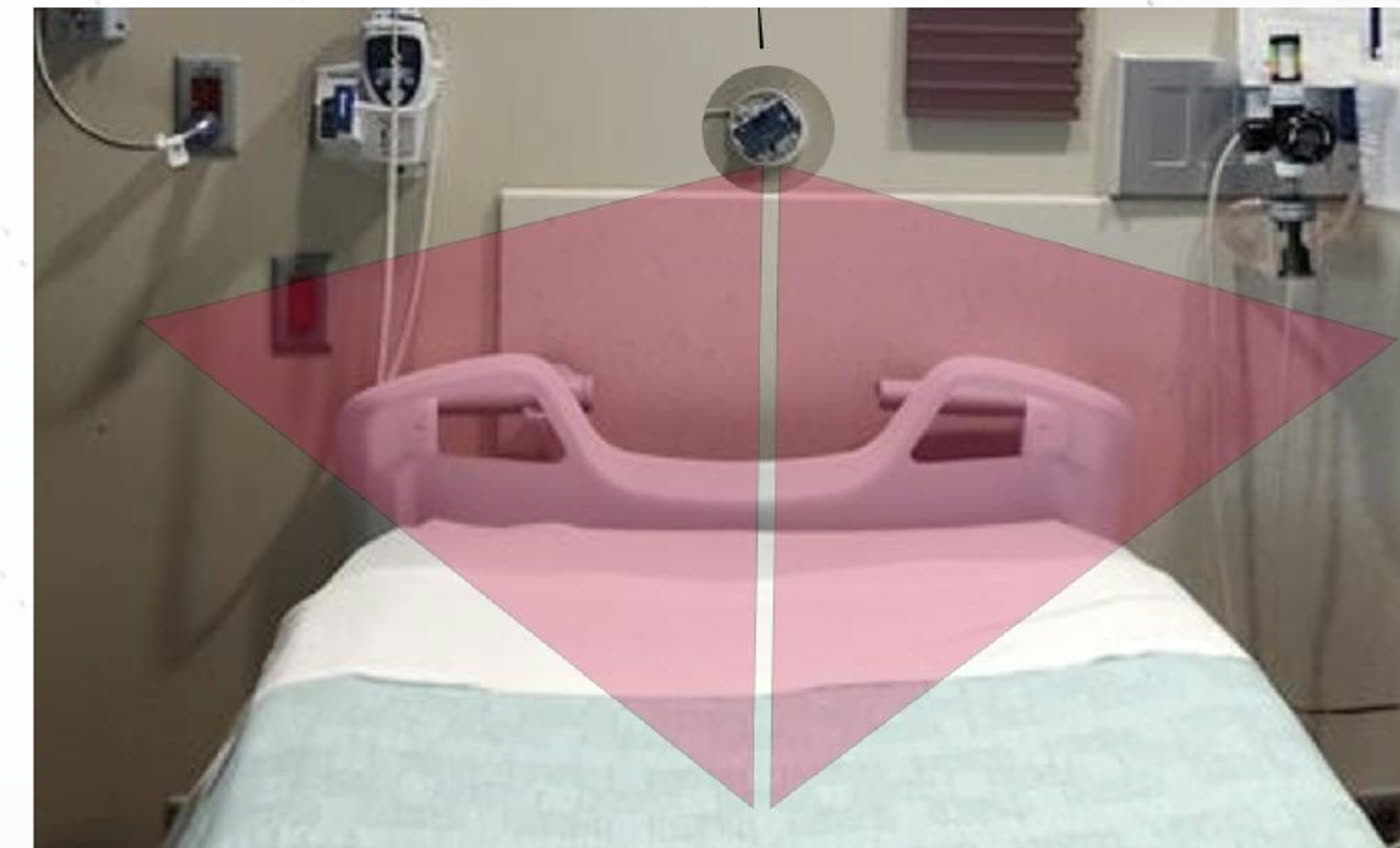
Mount the sensor on the wall at the head of the bed, centred over the pillow and close to it, and XK support sets a short reading range for that serial. The narrow field of view takes the patient rather than the pumps and cables. Expect more interruption from visitors and equipment than under the mattress, which remains the first choice.
Hillrom and Stryker are trademarks of their owners. This is practical installation guidance, not legal advice; the hospital’s own bed contracts decide.
A patient before or after intensive care has no calm nights to compare with. So on the ward the XK300 informs the team of a rise or drop in heart rate or breathing rate, of a size and duration the hospital chooses, per ward or per patient.
Like the equaliser on a speaker: the size of change and how long it must last are yours to tune. XK informs; the clinical judgement stays with the team.
Hospitals treat heart failure, and hospitals send those patients home. The XK300 Essence is a prescription device, cleared to measure heart rate and breathing rate in adults, including in home healthcare. A heart-failure patient is an adult who needs exactly those read, every night, without being asked to do anything. You can prescribe it to your existing patients today, with no study enrolment.
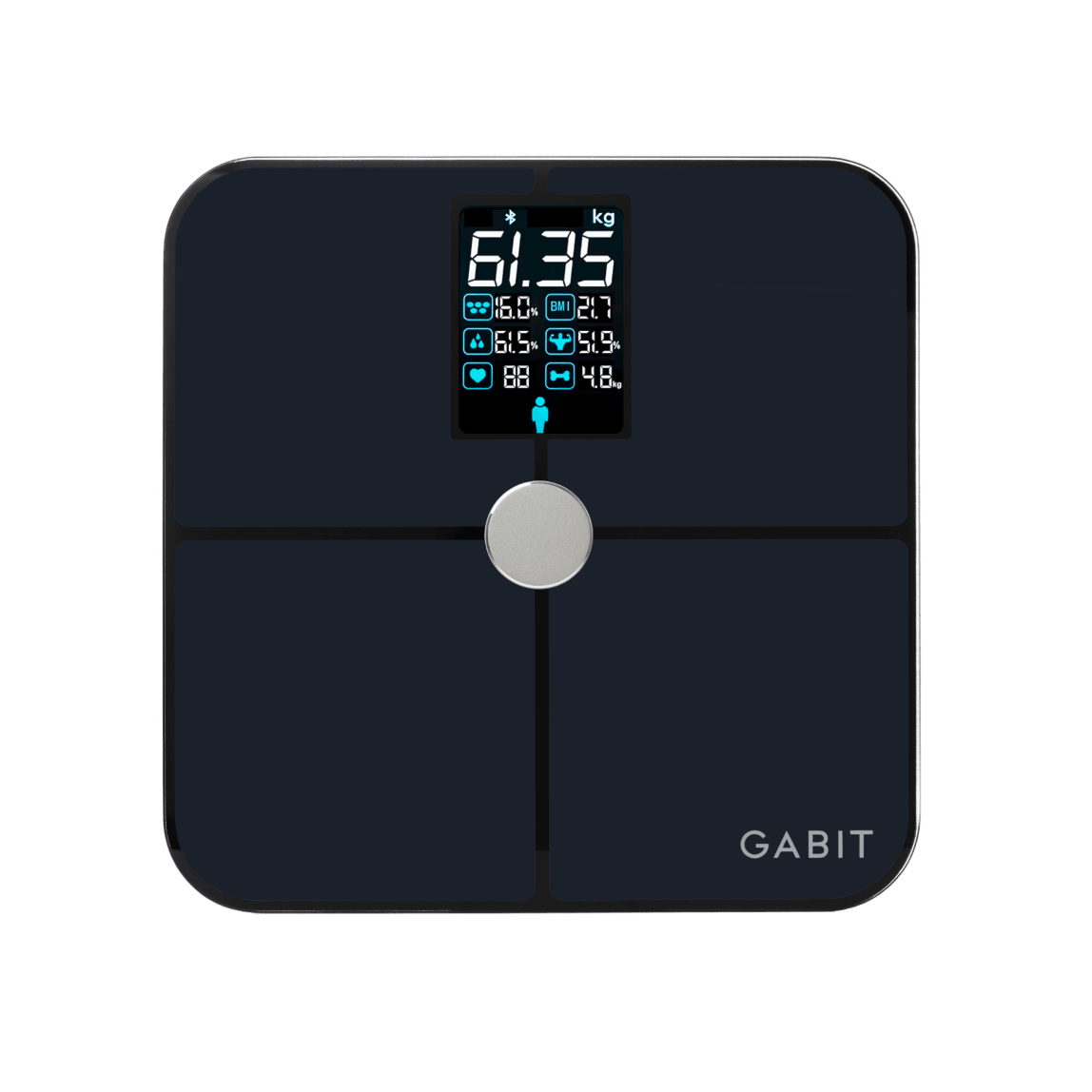
Same time every morning, if it happens. Easy to skip, and weight moves only after fluid has already built up.
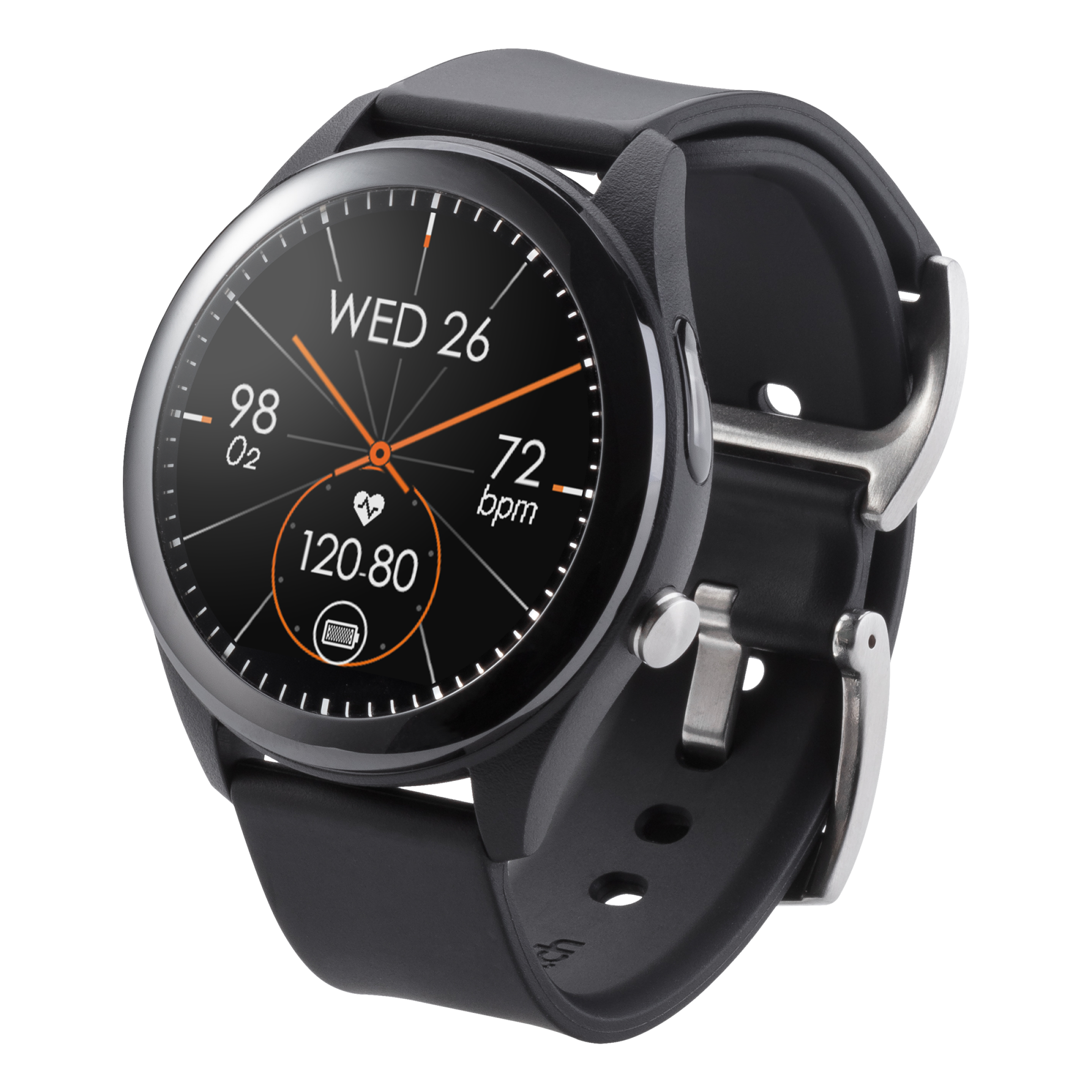
Prescribed by some cardiology programmes today. A watch needs charging; patients come back after thirty days with a few days of data and a dead watch.
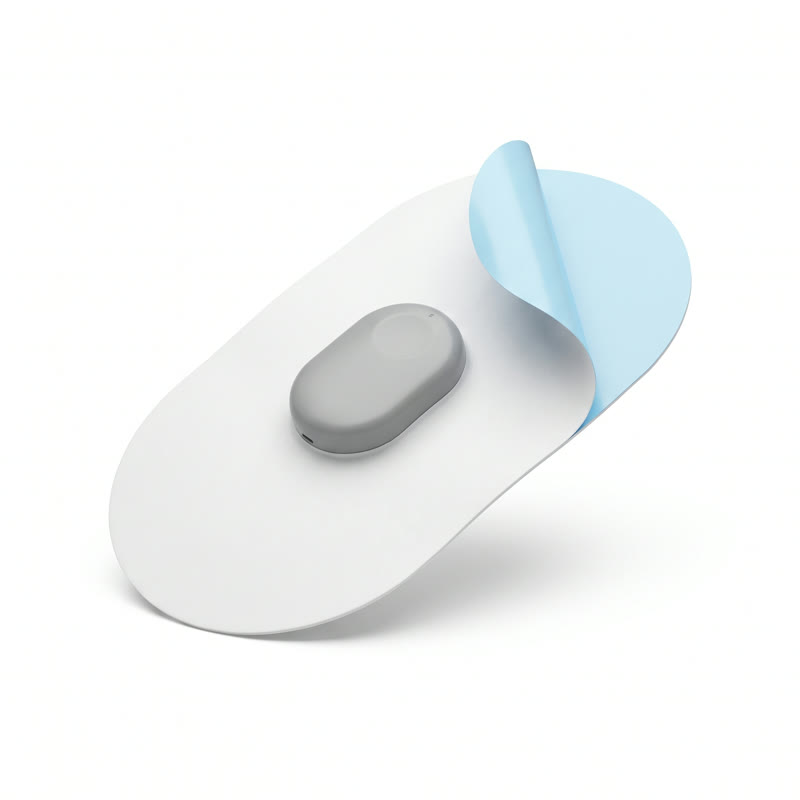
The common choice in US hospitals after discharge. Wearable ECG and vitals for roughly five days per patch, then it is replaced or the record ends. Skin, adhesive, a return kit, and someone to apply the next one.
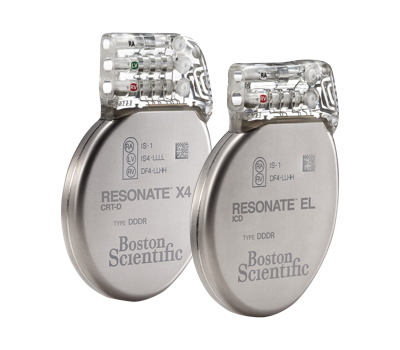
A procedure, and a cost that reserves it for the most severe. Out of reach for nine in ten.
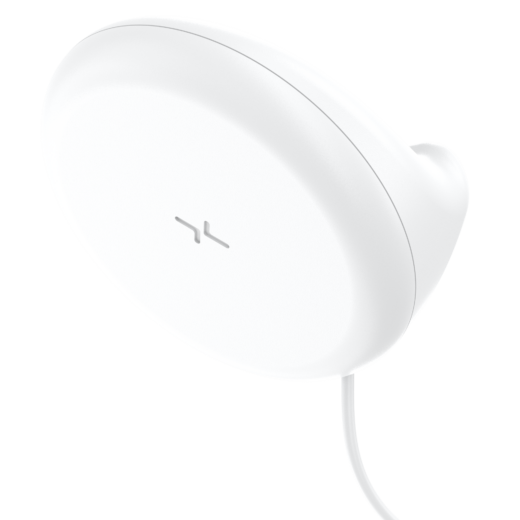
On the wall or under the mattress, prescribed before discharge. Nothing to wear, charge or apply. Heart rate, breathing rate and breathing pattern every few seconds, all night, for months or years, and your team watches the record.
Measuring heart rate and breathing rate in adults, including in home healthcare. Prescription only. It does not diagnose heart failure.
Breathing-rate variability as a trend, and Heartbeat Clarity as an investigational measure under study with cardiology programmes. Neither is a diagnosis.
Remote patient monitoring device-supply and management codes. For information; your billing team confirms eligibility.
Heartbeat Clarity is investigational and not a cleared measurement. The study sites are set and XK is not enrolling additional hospitals. XK does not predict or diagnose health events.
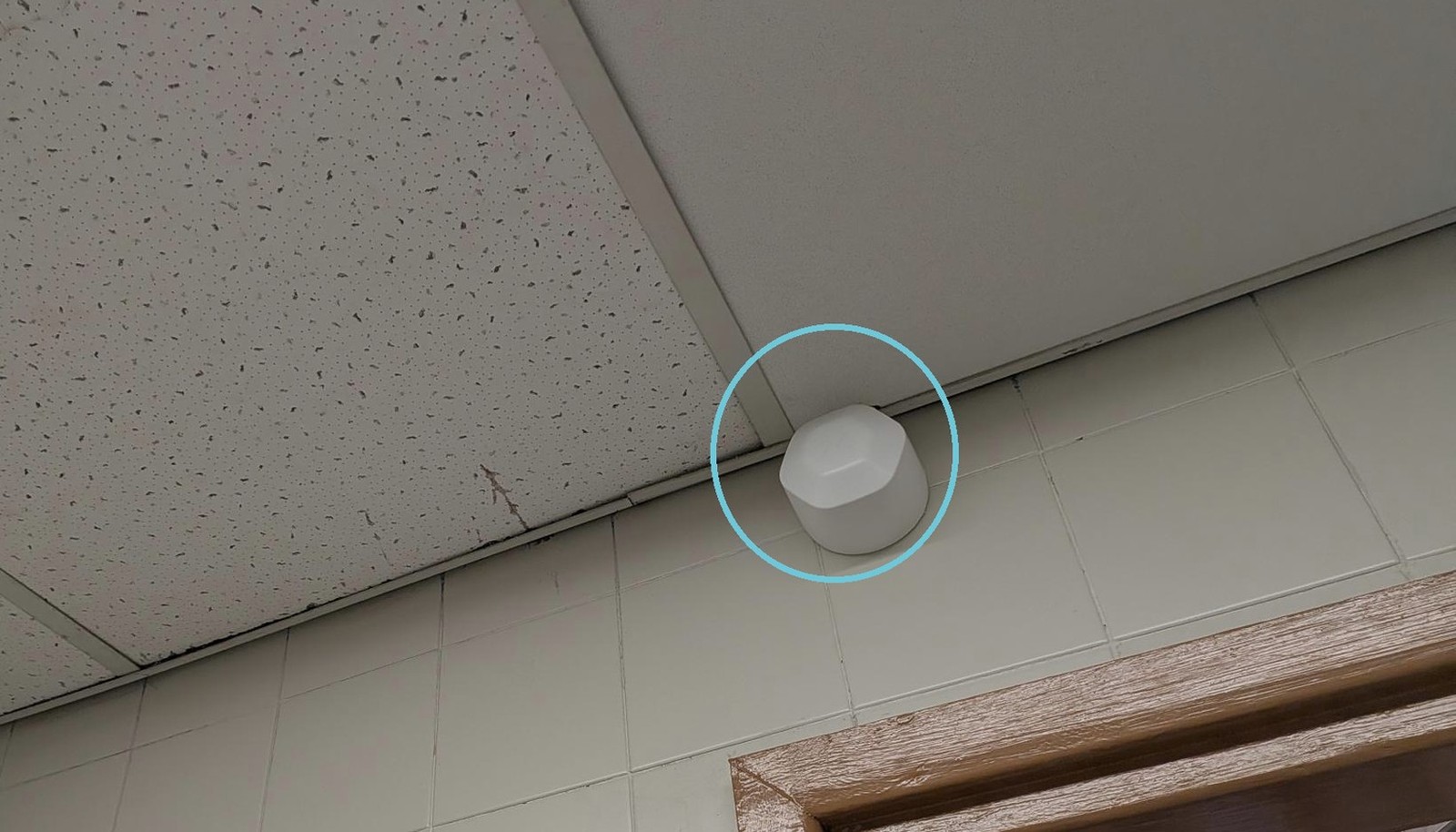
On the ceiling of the emergency-department bathroom, in the same Hong Kong hospital.
A patient who collapses in a bathroom cannot call for help. SUHO, short for Sustained Unconscious Human Occupant, is a separate function on the same radar platform. It reads occupancy and movement only, and notifies staff when someone present stays still beyond a time the hospital sets.
SUHO is a motion and occupancy function, not a vital-sign measurement, and makes no medical claim.