

RPM programmes run on days with readings. A cuff or a scale needs the patient to do something every day. The Essence needs them to go to bed. Readings are transmitted automatically each night the patient sleeps at home, with nothing typed in.
| CPT | What it covers |
|---|---|
| 99453 | Initial set-up and patient education, once per episode |
| 99445 | Device supply with 2 to 15 days of readings in 30 days. New for 2026 |
| 99454 | Device supply with 16 or more days of readings in 30 days |
| 99457 | First 20 minutes of monitoring and management in a month |
| 99458 | Each further 20 minutes |
Shown for information. Chronic care management codes 99490, 99439 and 99491 may apply where patients are enrolled. Your billing team decides what applies, and CMS sets the rates.
Today’s remote monitoring codes pay for the monitoring work: days with readings and minutes of review. CMS is adding ways to pay for what happens to the patient as well. Programmes that can show patients staying well at home are the ones positioned for both.
Device-supply codes pay for 2 to 15, or 16 or more, days with readings. Management codes pay for review time in 20-minute blocks.
Monthly primary care management codes that pay for the ongoing relationship, with no minutes to log (HCPCS G0556 to G0558).
CMS set a new direction for its Innovation Center: evidence-based prevention, technology-enabled care, and models judged on the results they deliver.
A ten-year, voluntary CMS Innovation Center model with outcome-aligned payments for technology-supported care of chronic conditions, including heart disease and high blood pressure, with outcomes reported electronically.
A reading every night the patient sleeps at home, with nothing to wear, charge or remember, so days with readings add up without chasing patients.
Each night compared with the patient’s own recent nights, so the team acts on a change instead of scrolling through numbers.
Nights, notifications and follow-up in the dashboard and through the public API, available for your own outcome reporting.
In the care-setting record, 75.6% of hospital transfers were preceded by a baseline-change notice. 201 admissions, reviewed by the Validation Institute in 2024.
Sources: CMS Innovation Center, ACCESS Model announcement, December 2025; Medicare Physician Fee Schedule final rules for 2025 and 2026; CMS Innovation Center strategic direction, May 2025. Model and code descriptions are summaries and can change; check the programme rules before you bill. The Validation Institute figure is a retrospective finding, not a cleared indication. XK does not predict or diagnose health events.
Bring the XK300 Essence to the patients and facilities you already serve. Readings arrive automatically every night, and the record supports both today’s billing and outcome reporting.
Sign up with the RPM of your choice, or ask us to recommend one. The RPM takes care of the monitoring and the billing; your own team still gets the same notifications, directly, for every resident. Or run it yourselves. Two ways to run it
Nothing to remember. A night in bed is a day with readings, which is what keeps day counts intact.
The portal shows the last reading for every sensor, so your team calls the next day, not at the end of the month.
The communication module connects on its own, with LTE options by region, and the connection type is listed per sensor.
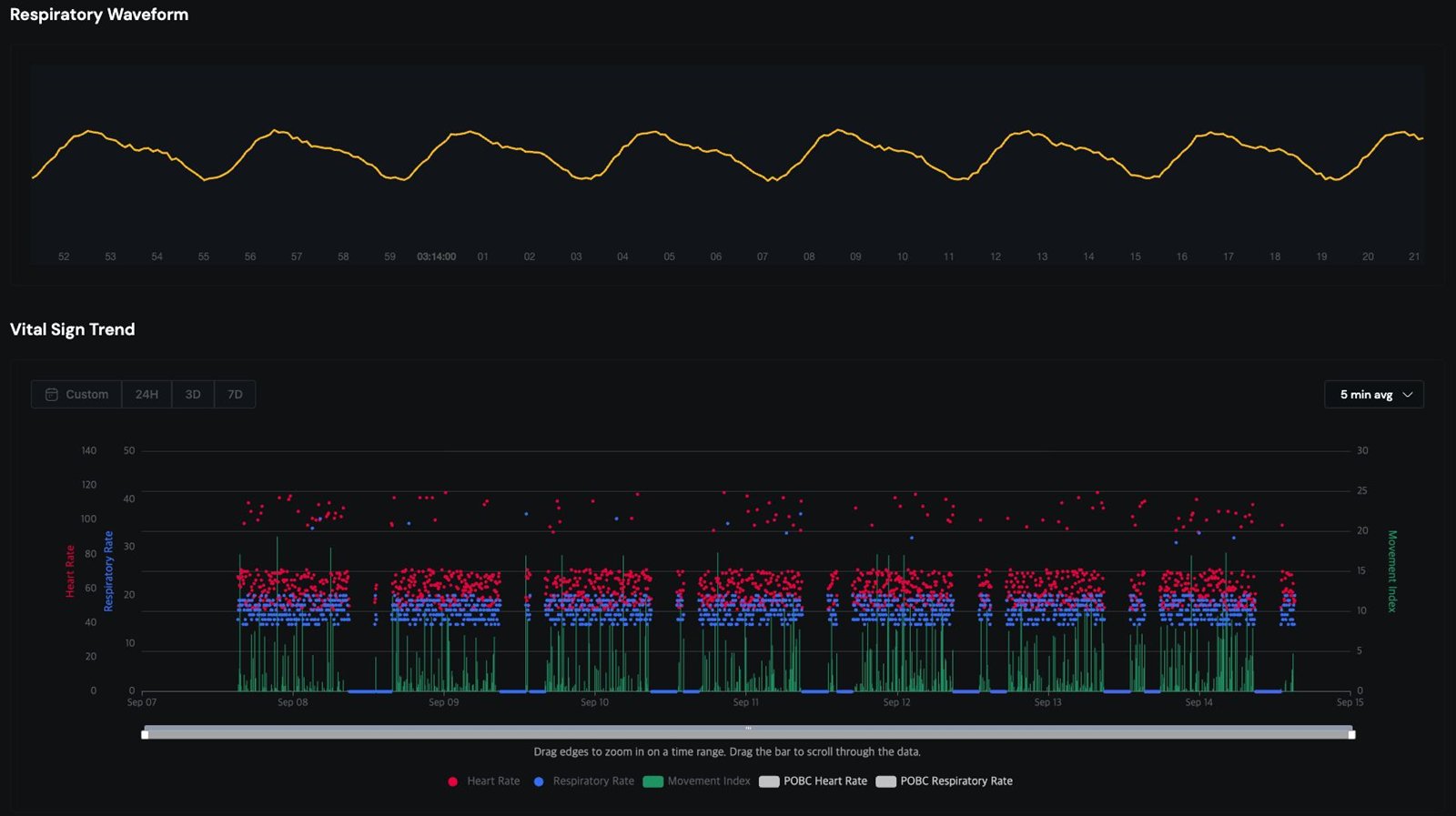
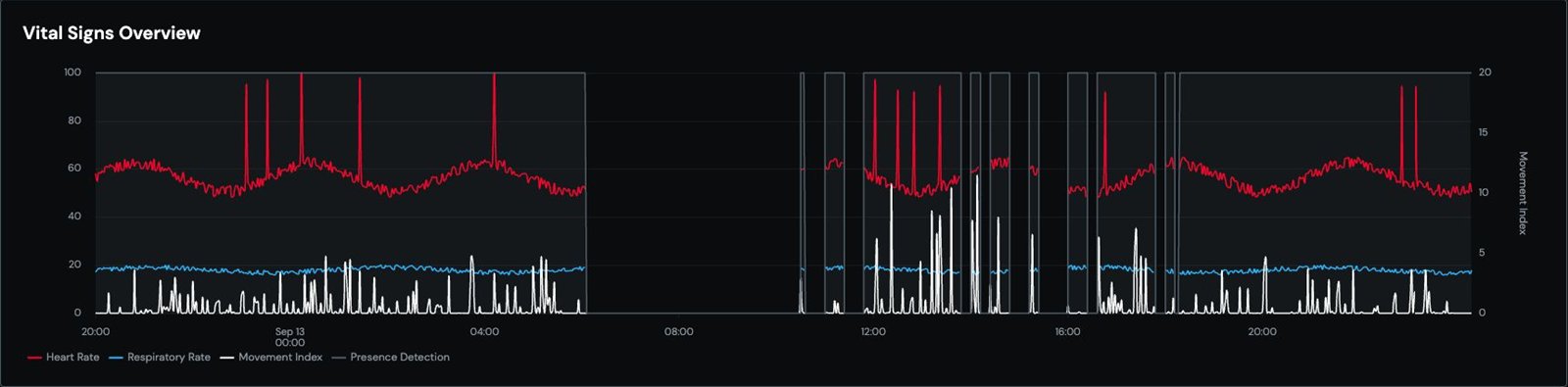
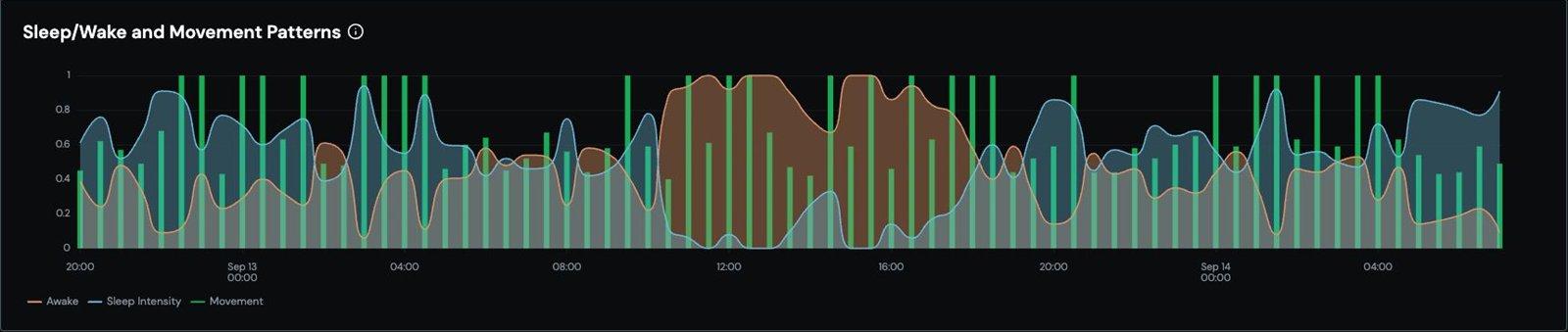
Screens from the Kardian dashboard, shown with synthetic demonstration data.
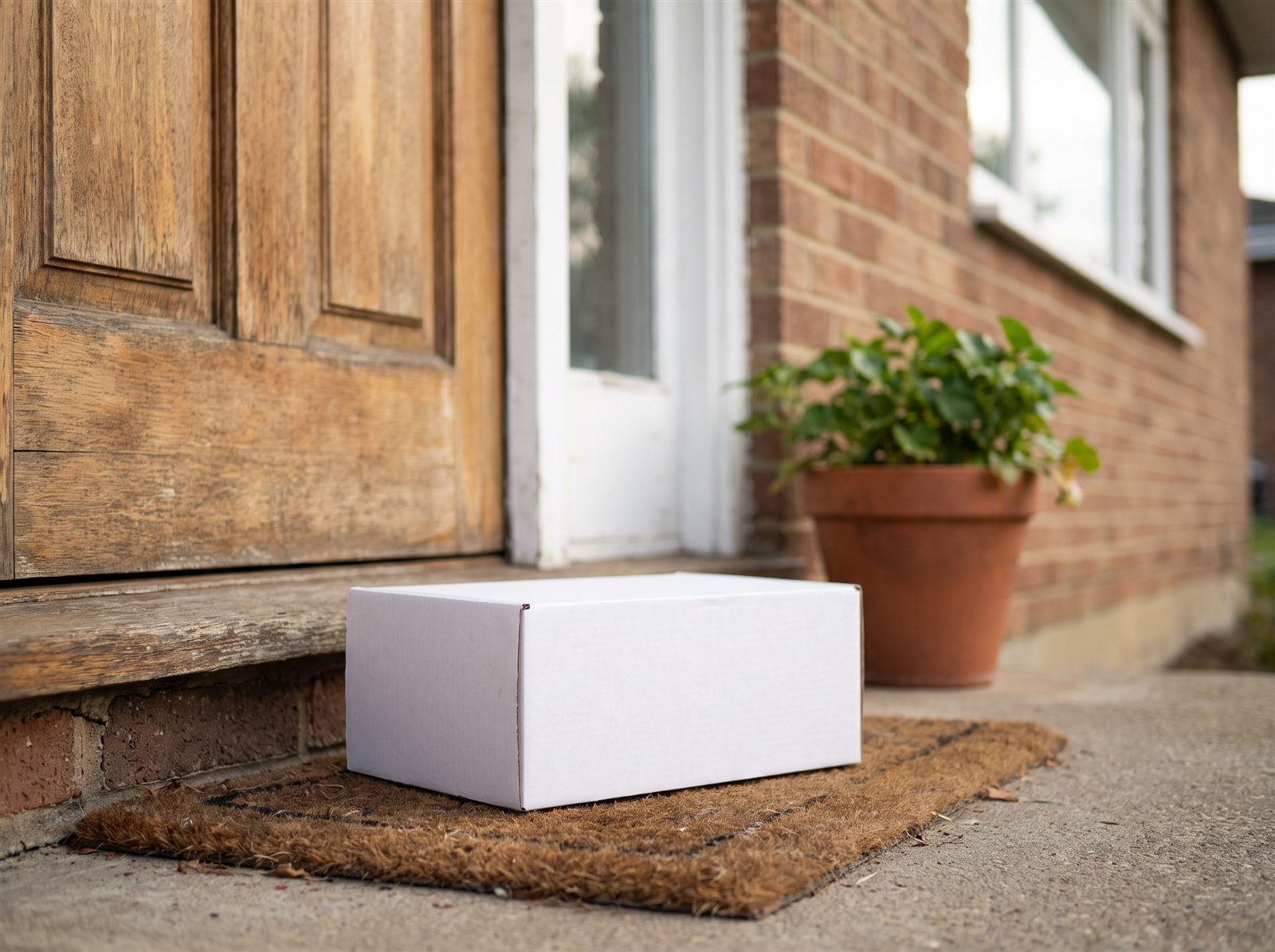
Shipped to the patient’s door.
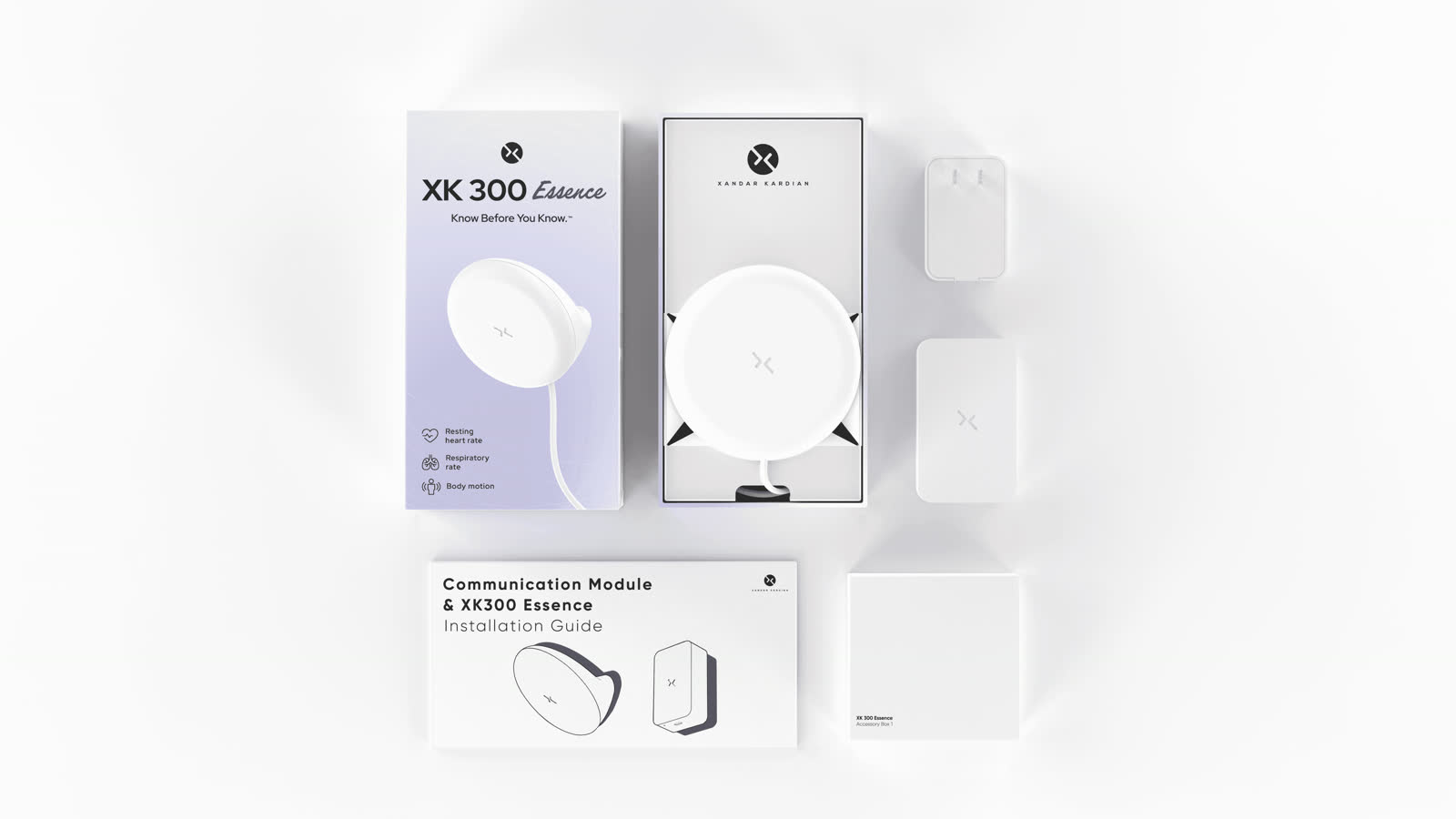
What arrives: the sensor, the communication module, the plug and the installation guide.
The XK300 is FDA 510(k) cleared, K202464, as a Class II prescription device to measure heart rate and respiration rate in adult patients. In the home it is used for data collection to inform patient care, not to acutely treat a patient. It is not an alarm system and does not diagnose any condition. Reimbursement depends on the payer and the patient; nothing here is billing advice.